Uncategorized
Should You Worry About a Weed Breathalyzer?
Dec
Table of Contents
Cannabis use in Canada has continued to grow dramatically since legalization. More Canadians than ever enjoy cannabis flower, hash, concentrates, vapes, edibles, and mushrooms many of which are easily accessible through trusted online dispensaries like CannabisHub.co with nationwide delivery.
But with cannabis becoming mainstream, one concern has also become more common:
“Can police test if I’m high while driving?”
“Will Canada start using weed breathalyzers like alcohol breathalyzers?”
If you’ve ever wondered whether you should be worried about a weed breathalyzer, this comprehensive guide breaks everything down in a simple, science-based way. You’ll learn exactly how weed breathalyzers work, whether they’re accurate, if Canada uses them now, what roadside cannabis testing actually looks like, and whether you should genuinely be concerned as a cannabis consumer in 2025 and beyond.
Let’s dive in.
What Is a Weed Breathalyzer? (And Why It’s Different from Alcohol Breath Tests)
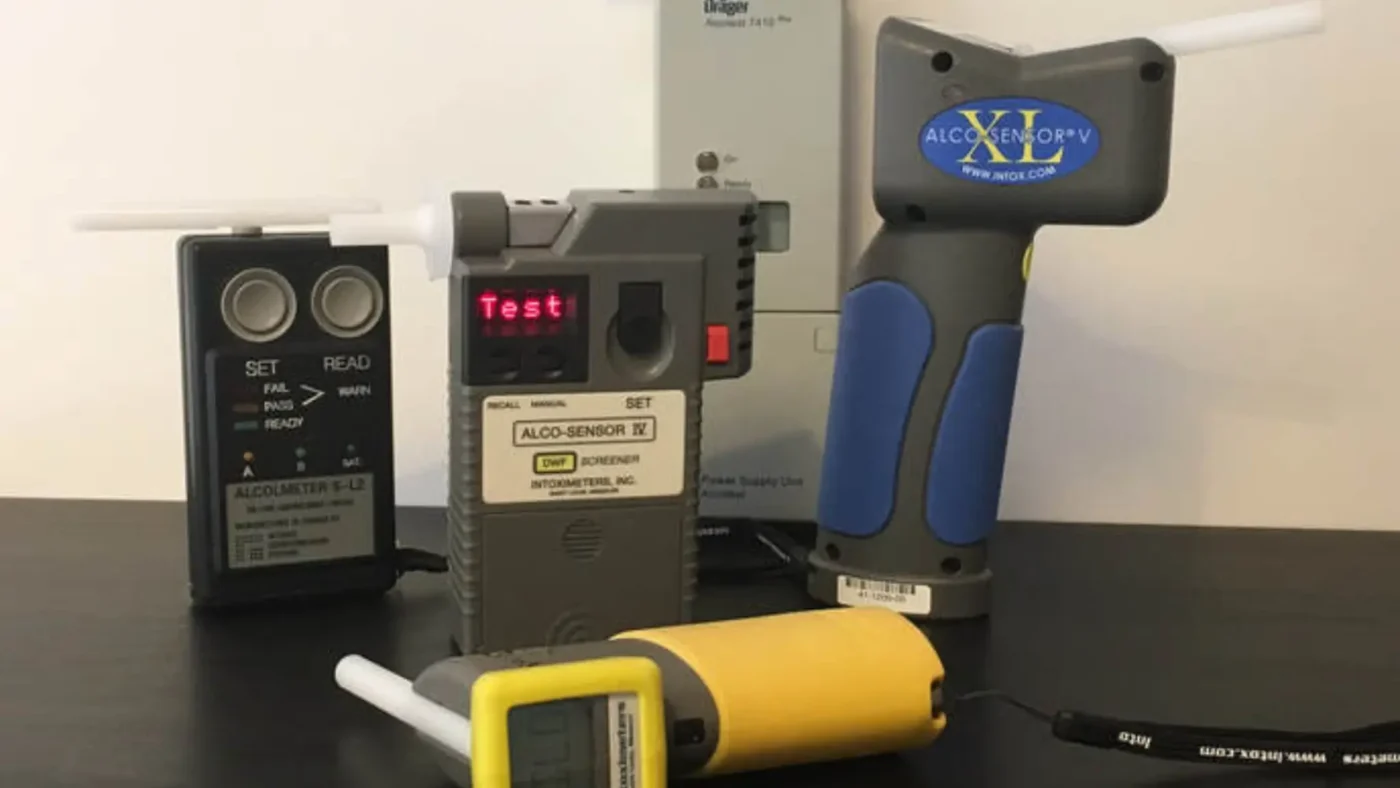
Most people are familiar with the classic alcohol breathalyzer—a handheld device officers use during a DUI stop to measure blood alcohol concentration (BAC). These devices are extremely accurate, well-researched, and supported by decades of scientific development.
A weed breathalyzer, however, is a completely different technology.
What it Measures
Weed breathalyzers are designed to detect Δ9-THC (tetrahydrocannabinol) molecules in a person’s breath. THC is the psychoactive compound in cannabis that produces euphoric and intoxicating effects.
Why Weed Breathalyzers Are Not Like Alcohol Tests
Alcohol breathalyzers work because alcohol is water-soluble and exits the body through the lungs at predictable rates.
THC is different:
- It is fat-soluble, not water-soluble.
- It binds to body fat, meaning it leaves the bloodstream much slower.
- THC levels do not directly correlate with actual impairment.
- People with high tolerance metabolize THC differently.
This is why most scientists admit that measuring impairment from THC is far more complex than measuring alcohol impairment.
How a Weed Breathalyzer Works
A weed breathalyzer attempts to capture THC particles exhaled in your breath within a short time after consumption. Researchers suggest that THC may briefly appear in breath for 1–3 hours after smoking or vaping, though accuracy varies widely.
Edibles make this even harder because THC isn’t inhaled—it’s digested, metabolized, and converted into 11-Hydroxy-THC, a different compound entirely.
In other words:
There’s no universally accurate way to measure recent cannabis impairment.
And that’s the biggest challenge for weed breathalyzer technology.
Are Weed Breathalyzers Actually Being Used in Canada?
Here’s the simplest answer:
No, Canada is NOT using weed breathalyzers for roadside enforcement.
Police across the country rely on:
1. Standard Field Sobriety Tests (SFST)
The same coordination/balance tests used for alcohol.
2. Drug Recognition Experts (DRE)
Officers trained to identify impairment through physical signs.
3. Approved Oral Fluid Drug Screening Devices
These are saliva tests, NOT breathalyzers.
Examples include:
- Dräger DrugTest 5000
- SoToxa Oral Fluid Analyzer
- Abbot DDS2
These devices check for the presence of THC in saliva, which usually reflects cannabis consumption within the past 6–12 hours (sometimes longer depending on metabolism and tolerance).
So Why Doesn’t Canada Use Weed Breathalyzers Yet?
Because the technology still has major issues:
- Low reliability
- Inconsistent accuracy across users
- Can’t measure impairment, only presence
- Challenges detecting edibles
- Weather sensitivity (cold affects readings)
- False negatives and false positives are common
Until these problems are resolved, Canada has opted for saliva testing, field sobriety tests, and blood tests when needed.
So if you’re worried about getting pulled over and blowing into a weed breathalyzer tomorrow—
you don’t have to. Canada isn’t there yet.
Are Weed Breathalyzers Accurate? The Real Science Behind THC Detection
To understand whether you should be worried, you need to understand the science behind THC detection.
Why THC Detection Is Hard
Unlike alcohol:
- THC absorption varies by person
- Tolerance significantly changes impairment
- Edibles metabolize differently
- Smoking vs vaping produces different breath signatures
- THC concentration does NOT equal intoxication
- THC lingers in the body even after impairment ends
So far, no technology can reliably measure “how high” a person actually is.
How Breathalyzers Try to Measure THC
Modern weed breathalyzer prototypes rely on:
- Nano-sensors
- Mass spectrometry
- Chemical markers
- Breath condensate capture
- Optical sensors
- Artificial intelligence prediction models
These devices attempt to isolate microscopic THC molecules in exhaled air. But the results have been wildly inconsistent.
Known Problems With Weed Breathalyzers
- They only work soon after smoking
After 2–3 hours, THC usually becomes undetectable in breath. - They don’t work for edibles
Breathalyzers detect inhaled THC—but not metabolized THC. - They do not measure impairment
Someone might test positive hours after they’re no longer high. - High-tolerance users throw off readings
Frequent users metabolize THC differently. - False negatives when weather is extreme
Cold temperatures affect breath THC collection. - False positives from contamination
Smoking in windy environments, enclosed rooms, or using high-potency vape pens may leave residual THC on lips, hands, or beards.
Why Police Don’t Trust Them Yet
Law enforcement needs consistency, reliability, and scientifically validated results. Until weed breathalyzer technology becomes robust and court-defensible, Canada won’t adopt it nationwide.
So far, the science says:
They are nowhere near accurate enough to replace saliva tests or field sobriety tests.
How Police Currently Test For Cannabis Impairment in Canada
If Canada doesn’t use weed breathalyzers, what do officers use?
1. Standard Field Sobriety Tests
These include:
- Walk-and-turn
- Horizontal gaze nystagmus test
- One-leg stand
Officers look for coordination, focus issues, balance problems, and delayed reaction.
2. Oral Fluid THC Test (Saliva Test)
The main tool Canada uses today.
These devices detect the presence of THC, but not impairment levels.
How Long THC Is Detectable in Saliva
- Occasional users: 6–12 hours
- Daily users: up to 24–48 hours
In some cases, the test can detect THC long after impairment has ended—which has raised legal debates.
3. Drug Recognition Expert (DRE) Evaluation
A specially trained officer examines:
- Pupil dilation
- Body temperature
- Blood pressure
- Pulse rate
- Eye reaction
- Muscle tone
- Behavior and speech
This is more detailed than a roadside test.
4. Blood Test (The Final Step)
In cases where impairment is strongly suspected, police can require a blood sample.
Legal THC Limits in Canada
Canada uses two thresholds for THC in blood:
- 2–5 ng/ml THC: Summary offence
- Over 5 ng/ml THC: Criminal offence
- Combination of alcohol + THC: Even stricter penalties
Blood tests are the only method legally accepted to measure THC concentration.
No breathalyzer technology matches the accuracy of blood testing.
Should Canadians Be Worried About Weed Breathalyzers?
This is the big question—and the short answer is:
Not right now. Not in the near future.
But let’s break it down.
Reasons You Don’t Need to Worry
1. Canada doesn’t use THC breathalyzers
The RCMP relies on saliva tests and field evaluations, not breath THC devices.
2. The technology is unreliable
No commercially available weed breathalyzer is scientifically validated.
3. It doesn’t work well for edibles
Most Canadians prefer edibles—especially discreet edibles purchased online—so breath testing isn’t practical.
4. THC impairment is not linear
Someone can test positive and be completely sober.
5. Courts don’t trust breath THC data
Until the science improves dramatically, weed breathalyzers won’t be admissible as reliable evidence.
But There Are Things To Be Aware Of
Even without breathalyzers, Canada does enforce cannabis impaired driving laws seriously.
So while you shouldn’t fear a weed breathalyzer, you should understand how impairment is evaluated—and how long you should wait after consuming cannabis before driving.
How Long Should You Wait After Consuming Cannabis Before Driving?
Even though weed breathalyzers aren’t used, driving high is still illegal. The safest approach is knowing how long impairment typically lasts.
Smoking or Vaping
- Peak impairment: 10–30 minutes after inhaling
- Duration: 2–4 hours
- Safe waiting time for most adults: 4–6 hours
Edibles
Edibles hit differently—especially those strong 400mg–1000mg packages you find online.
- Peak impairment: 1–3 hours after eating
- Duration: 6–12 hours
- Safe waiting time: 8–12 hours
Concentrates & Dabs
High-THC concentrates (shatter, wax, rosin, diamonds):
- Peak impairment: immediate to 15 minutes
- Duration: 3–6 hours
- Safe waiting time: 6–8 hours
Tolerance Matters
Daily users metabolize THC faster but may test positive longer. Impairment and detectability are not perfectly correlated.
If you want to stay 100% safe:
Take your session at home or somewhere you don’t need to drive for the rest of the day.
Top Myths About Weed Breathalyzers (Debunked)
Let’s clear up confusion.
Myth #1: Police already use weed breathalyzers in Canada.
False. Only saliva tests, field tests, and blood tests are used.
Myth #2: A weed breathalyzer can tell exactly how high you are.
False. It can only detect THC, not impairment levels.
Myth #3: You can’t fail a test if you only use edibles.
Partially false. You can’t fail a breath test for edibles, but you can fail a saliva or blood test.
Myth #4: Holding your breath or drinking water helps you pass.
False. These tricks don’t work.
Myth #5: Second-hand smoke will make you test positive.
Highly unlikely unless you were in an extremely hotboxed room.
Myth #6: Occasional users clear THC quickly.
Sometimes, but not always, every body is different.
What Happens If You Fail a THC Test in Canada?
If an officer believes you’re impaired and you test positive using approved oral screening devices, the next steps can include:
Immediate Roadside Penalties
- Licence suspension (often 24 hours or more)
- Vehicle impoundment
- Provincial fines
If Impairment Is Confirmed
- Criminal charges
- Licence suspension (long-term)
- Permanent driving record
- Higher insurance premiums
- Possible criminal conviction
Unlike alcohol, THC levels fluctuate dramatically, so officers often rely more on observational impairment rather than numbers alone.
The Future of Weed Breathalyzers in Canada: What You Should Expect
Even though weed breathalyzers aren’t used today, research continues.
Will They Become Standard in the Future?
Possibly, but not soon.
The biggest barrier is science, not policy.
To be viable nationwide, a weed breathalyzer must:
- Accurately detect recent cannabis intake
- Correlate THC levels with impairment
- Work for all cannabis products (including edibles)
- Function in all weather
- Be affordable and consistent
- Be accepted by Canadian courts
So far, no technology meets these criteria.
What Experts Predict
- Saliva tests will continue being the primary roadside tool
- THC impairment science will continue improving
- Canada may eventually adopt hybrid systems
- AI-based impairment detection may become more important than chemical testing
As long as THC detection science remains inconsistent, weed breathalyzers will not replace current methods.
Should You Actually Worry? Final Summary
After breaking down all the science, legal framework, and technology, the conclusion is simple:
No, Canadians should NOT worry about weed breathalyzers right now.
Here’s why:
- Canada doesn’t use breath-based THC testing
- The technology is still unproven and unreliable
- Saliva and blood tests remain far more accurate
- Courts cannot rely on THC breathalyzer data
- Edibles, concentrates, and high-tolerance users make breath detection extremely inconsistent
- Police rely heavily on sobriety tests, not gadgets
If you consume cannabis responsibly and avoid driving during impairment windows, you have nothing to worry about.
Cannabis Hub Products
You save
Concentrates
You save
Hash
You save
Where to Buy Premium Cannabis Products Online in Canada (Fast Delivery)
If you want access to high-quality cannabis products—flower, hash, edibles, vapes, concentrates, mushrooms with fast, discreet delivery across Canada, CannabisHub.co is one of the most trusted platforms nationwide.
Why Canadian consumers choose CannabisHub.co:
- ✔ Large selection of premium cannabis strains
- ✔ Potent and clean vapes & concentrates
- ✔ High-quality hash (Moroccan, Lebanese, Afghan, Pakistani)
- ✔ Strong edibles including 500mg–1000mg options
- ✔ Fast shipping Canada-wide
- ✔ Frequent deals and bundle pricing
- ✔ Trusted customer service
- ✔ 100% discreet packaging
Whether you’re a beginner, casual user, or experienced connoisseur, CannabisHub.co makes it easy to shop safely and responsibly.
Conclusion
So, should you worry about a weed breathalyzer?
No.
But you should care about:
- Understanding impairment
- Knowing when it’s safe to drive after smoking or eating edibles
- Staying informed about roadside testing rules
- Consuming cannabis responsibly
Cannabis is legal in Canada and thanks to trusted online dispensaries like CannabisHub.co, it’s never been easier to access safe, high-quality products. But legalization also comes with responsibility.
Stay smart. Stay safe. Stay elevated.
And enjoy your cannabis without fear of unreliable technology, because weed breathalyzers aren’t ready for Canada yet.
FAQ
Do police use weed breathalyzers in Canada?
No, Canadian police do not use THC breathalyzers. They use saliva drug screening devices, roadside field sobriety tests, Drug Recognition Experts (DREs), and blood tests when required.
Are weed breathalyzers accurate?
Not yet, current weed breathalyzers cannot reliably measure impairment and struggle with edibles, vapes, tolerance differences, and inconsistent THC detection windows.
Can a weed breathalyzer detect edibles?
Usually no, breath-based testing only works for inhaled THC (smoking or vaping). Edibles metabolize into different compounds not easily detectable via breath.
How long after smoking can you safely drive in Canada?
Typically 4–6 hours, most adults should wait at least 4–6 hours after smoking or vaping cannabis before driving. Heavy users or high-THC products may require longer.
How long after eating edibles can you drive?
Usually 8–12 hours, Edibles take longer to metabolize and produce longer-lasting impairment.
What THC roadside tests does Canada use?
Canada uses saliva drug screening devices like Dräger DrugTest 5000 and SoToxa. These detect the presence of THC, not impairment level.
Can you get a DUI for cannabis in Canada without a breathalyzer?
Yes, officers rely on impairment signs, saliva tests, and blood tests. A DUI conviction doesn’t require a THC breathalyzer.
What is the legal THC limit for driving in Canada?
– 2–5 ng/ml THC: offence
– Over 5 ng/ml: criminal offence
– Alcohol + THC combined offences also exist.
Can second-hand smoke make you fail a cannabis test?
Very unlikely, second-hand exposure rarely produces enough THC to trigger a positive roadside test unless you were heavily hotboxed.
Are weed breathalyzers coming to Canada soon?
Not likely, experts say breath-based THC detection still lacks scientific reliability for national enforcement.