
Uncategorized
Cannabis Dosage Basics

Jan
Table of Contents
Cannabis Dosage Basics: A Clear, Canada-Focused Guide to THC, CBD, and Product Types
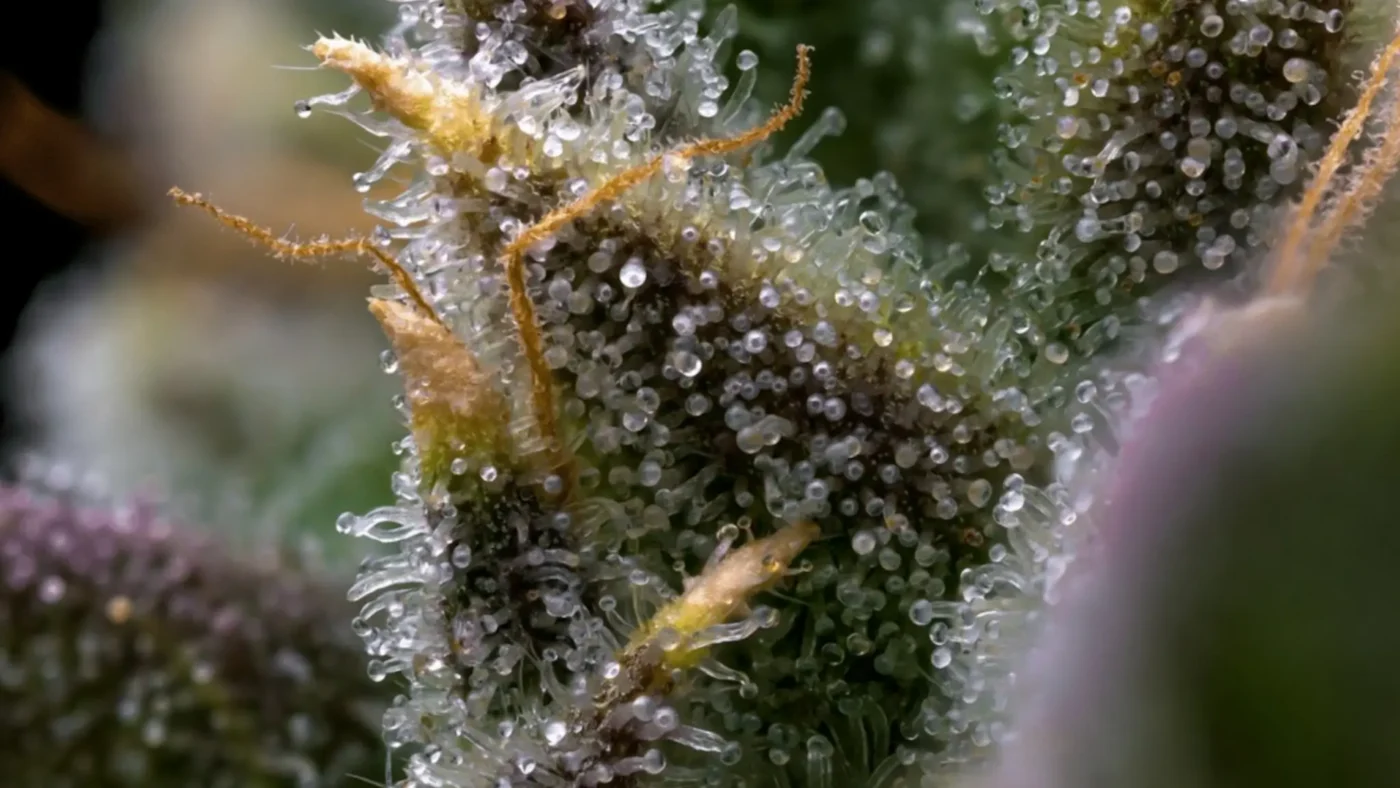
Understanding cannabis dosage is one of the most important steps to having a positive, comfortable experience especially in Canada, where adults have access to a wide range of products like flower, hash, concentrates, edibles, vapes, oils, and capsules. Cannabis dosage basics aren’t about chasing a number; they’re about learning how potency, product type, timing, and your own body interact so you can make informed choices.
This guide is written for adults in Canada and focuses on education and harm-reduction, not medical advice. Whether you’re new to cannabis or simply want to better understand labels and product differences, this article explains the fundamentals in plain language and shows how to choose products responsibly while highlighting how clearly labeled, lab-tested products and reliable delivery across Canada can make the experience smoother.
What “Cannabis Dosage” Really Means
When people talk about cannabis dosage, they often imagine a single universal amount. In reality, dosage is a relationship between:
- Potency (how strong the product is)
- Product type (flower vs edibles vs concentrates, etc.)
- Method of consumption (inhaled vs ingested)
- Timing (how fast effects begin and how long they last)
- Individual factors (tolerance, body chemistry, experience)
Because these factors vary, two products with the same THC number can feel very different. Learning the basics helps you read labels accurately and avoid common mistakes—like expecting an edible to feel the same as inhaled cannabis.
THC vs CBD: The Foundation of Cannabis Dosage
Most cannabis labels highlight two primary cannabinoids: THC and CBD.
THC (Tetrahydrocannabinol)
- The main psychoactive compound
- Responsible for the “high”
- Can influence mood, perception, appetite, and relaxation
- Effects are more noticeable at higher potency
CBD (Cannabidiol)
- Non-intoxicating
- Often described as balancing or moderating
- Does not produce a traditional “high”
- Frequently chosen by people seeking a gentler experience
Understanding the THC-to-CBD ratio is a cornerstone of cannabis dosage basics. Products with higher THC and little CBD tend to feel stronger, while balanced or CBD-dominant products are often perceived as milder.
How to Read Cannabis Labels in Canada
One advantage of buying from a reputable Canadian dispensary is clear, standardized labeling. Labels usually show potency in two different ways:
THC Percentage (%)
- Common on flower and some concentrates
- Indicates how much THC is present by weight
- Helpful for comparing flower strains, but not a direct “dose”
THC in Milligrams (mg)
- Common on edibles, oils, capsules
- Shows the total amount of THC in the product or per serving
- Especially important for edible cannabis
In Canada, regulations limit edible cannabis to 10 mg of THC per immediate container, which helps consumers understand and manage potency more easily. Learning whether a label uses percent or milligrams prevents confusion and supports safer choices.
Why Method Matters: Inhaled vs Ingested Cannabis
A core cannabis dosage concept is that how cannabis is consumed dramatically changes the experience.
Inhaled Cannabis (Smoking or Vaping)
- Effects are felt quickly
- Easier to gauge intensity in real time
- Shorter overall duration
Ingested Cannabis (Edibles, Capsules)
- Effects take longer to appear
- Sensations may feel stronger or more body-focused
- Effects last significantly longer
Because of delayed onset, edibles are often where people misjudge dosage. Understanding timing is just as important as understanding potency.
Cannabis Dosage Basics by Product Type
Flower
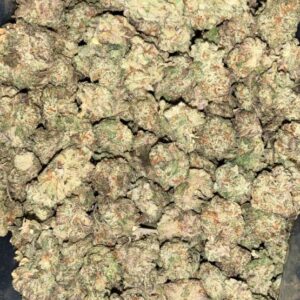
Cannabis flower is typically labeled by THC percentage. Higher percentages generally mean stronger effects, but terpene content and freshness also play a role. Flower is often chosen for its fast onset and flexibility.
Key idea: THC % helps compare strength, not measure a precise dose.
Hash
Hash is made by concentrating resin from cannabis plants. It usually contains more THC than flower, making potency higher by nature. Texture and processing style influence how it behaves when heated.
Key idea: Hash feels stronger than flower even in small amounts because cannabinoids are more concentrated.
Concentrates
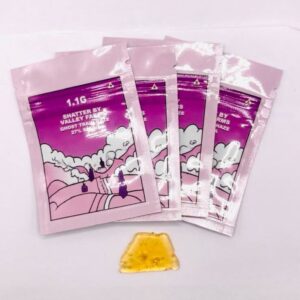
Concentrates (like wax or shatter) are highly potent forms of cannabis. Because cannabinoids are extracted and concentrated, they deliver effects efficiently and quickly.
Key idea: Concentrates are best approached with caution due to their intensity.
Edibles
Edibles include gummies, chocolates, and baked goods. Labels focus on THC mg, and timing is the defining factor.
Key idea: Patience matters. Effects can take time, but they also last longer than inhaled cannabis.
Vapes
Vape cartridges and disposable pens deliver cannabinoids efficiently through inhalation. Effects are fast and can feel smoother, which sometimes leads people to underestimate potency.
Key idea: Fast onset doesn’t mean mild effects.
Oils, Tinctures, and Capsules
These products are labeled in milligrams and designed for measured, consistent use. Absorption depends on whether they’re swallowed or held under the tongue.
Key idea: Oils and capsules prioritize consistency and clarity on labels.
Timing and Duration: What to Expect
Understanding onset (how fast effects begin) and duration (how long they last) is essential to cannabis dosage basics.
- Inhaled: Faster onset, shorter duration
- Ingested: Slower onset, longer duration
This difference explains why two products with similar THC numbers can feel dramatically different. Timing expectations help prevent overconsumption and discomfort.
“Start Low, Go Slow”: What It Really Means
You’ll often hear the phrase “start low, go slow.” This harm-reduction principle encourages:
- Choosing lower potency products initially
- Allowing enough time for effects to appear
- Avoiding stacking products too quickly
This approach isn’t about limitation—it’s about giving your body time to respond so you can better understand what feels comfortable.
Common Mistakes That Lead to Overconsumption
Even experienced consumers can misjudge dosage. Common pitfalls include:
- Re-dosing too quickly, especially with edibles
- Mixing cannabis with alcohol
- Assuming higher potency always equals better quality
- Ignoring label differences between mg and %
Avoiding these mistakes starts with reading labels carefully and respecting timing.
Signs You May Have Had Too Much THC
Everyone reacts differently, but common signs of overconsumption can include:
- Feeling overly anxious or uncomfortable
- Dizziness or nausea
- Racing thoughts
- Increased heart rate
If this happens, staying calm, hydrated, and in a safe environment usually helps. Understanding cannabis dosage basics reduces the likelihood of these experiences.
Choosing the Right Product Category for Your Needs
Cannabis dosage basics aren’t just about numbers they’re about fit. Ask yourself:
- Do you prefer fast-acting or long-lasting effects?
- Are you more comfortable reading percentages or milligrams?
- Do you want flexibility or consistency?
Matching product type to your preferences is often more important than chasing potency.
Why Tested, Clearly Labeled Products Matter in Canada
One advantage of purchasing from an established online dispensary is access to lab-tested products with transparent labels. Clear information allows adults to compare products confidently and make informed decisions.
For customers across the country, delivery in Canada adds convenience while maintaining discretion and consistency especially when exploring different product categories.
Cannabis Dosage Basics and Mushrooms (A Note on Education)
Some Canadian dispensaries also offer mushrooms for educational or novelty purposes. While mushrooms are not cannabis and have different active compounds, the same philosophy applies: understand potency, read labels, respect timing, and approach responsibly. Always treat each category as distinct.
Cannabis Hub Products
You save
Concentrates
You save

Hash
You save
Why CannabisHub.co Is One of the Best Places to Buy Cannabis Products in Canada
When it comes to buying cannabis online, Canadians want three things above all else: trust, convenience, and consistency. That’s where CannabisHub.co stands out. Built for adults across the country, CannabisHub focuses on making the entire experience simple and reliable from browsing products to receiving discreet cannabis delivery in Canada. Instead of overwhelming customers with confusing terms or unclear product details, the platform keeps everything easy to understand, helping shoppers make confident choices whether they’re new or experienced. With a wide range of cannabis products available in one place, customers don’t need to jump between multiple sites to find what they’re looking for.
What truly makes CannabisHub different is its commitment to clarity and customer experience. Every product category flower, hash, concentrates, edibles, vapes, oils, and mushrooms is presented with clear descriptions so customers know exactly what they’re ordering. Combined with fast processing and dependable shipping, CannabisHub has become a go-to option for people who value smooth, hassle-free cannabis delivery across Canada.
Why customers across Canada choose CannabisHub:
- Consistent quality that keeps customers coming back
- Easy-to-use website designed for quick browsing and checkout
- Clear product descriptions without confusing language
- Wide selection of cannabis products in one trusted place
- Reliable, discreet delivery in Canada from coast to coast
Beyond selection and ease of use, CannabisHub has earned trust by putting customer needs first. Orders are packed discreetly, shipped efficiently, and handled with care something that matters greatly to Canadians ordering online. Whether you live in a major city or a smaller community, CannabisHub’s delivery network is designed to reach you without unnecessary delays. This nationwide approach helps the brand rank strongly for delivery in Canada searches, while also meeting real customer expectations. Instead of focusing on hype, CannabisHub focuses on dependability, which is exactly what long-term customers look for.
Another key advantage is that CannabisHub supports informed shopping. Rather than pushing customers toward the strongest or most expensive options, the platform encourages smart, comfortable choices by presenting products clearly and honestly. This approach builds confidence and loyalty, especially for customers exploring new product types. With competitive pricing, regular availability, and dependable service, CannabisHub continues to grow as a trusted online destination for cannabis delivery in Canada.
What makes CannabisHub a smart choice for repeat orders:
- Discreet, secure packaging for peace of mind
- Fast order handling and dependable shipping timelines
- Fair pricing across flower, hash, edibles, vapes, and concentrates
- Canada-wide service that doesn’t limit where you live
- Customer-focused approach built on trust, not pressure
Conclusion
Cannabis dosage basics aren’t about strict rules they’re about understanding. By learning how THC and CBD work, reading Canadian labels correctly, respecting timing, and choosing product types that suit your needs, you can approach cannabis with confidence.
Education leads to better experiences. With trusted online dispensaries like CannabisHub.co offering tested products and delivery all across Canada, adults have the tools they need to explore cannabis responsibly one informed choice at a time.
FAQ
What does THC mg mean on Canadian edibles?
It shows the total amount of THC in the product or per serving, helping consumers understand potency more clearly than percentages.
Why do edibles feel stronger than smoking?
Because ingested THC is processed differently by the body and lasts longer, often producing more pronounced effects.
Is higher THC always better?
Not necessarily. Balance, product type, and personal preference often matter more than raw potency.
How do I compare flower to edibles?
Flower uses THC percentage, while edibles use milligrams—these numbers aren’t directly interchangeable.
Why does timing matter so much?
Different methods have different onset times, which affects how quickly you feel effects and how long they last.