
Cannabis Guide, Cannabis Flower
Types of Cannabis Products in Canada
Sep
Table of Contents
Types of Cannabis Products in Canada:
Cannabis in Canada has evolved far beyond the days when dried flowers were the only option. Since legalization, Health Canada has expanded the categories of legal cannabis products, giving consumers a wide variety of choices from traditional flower and hash to edibles, beverages, vapes, and even topicals.
Whether you’re a seasoned consumer or someone curious about trying cannabis for the first time, understanding the differences between product types is key to finding what works best for you. This guide breaks down every major category of cannabis products legally available in Canada in 2025, explains how they’re used, what effects to expect, and how to choose the right product for your lifestyle.
Cannabis Hub Products
Flower
You save
Concentrates
You save
Hash
You save
Dried Flower (Buds)
Dried cannabis flower also known as buds remains the most popular weed online in Canada. It’s the foundation of the cannabis experience and offers the widest variety of aromas, flavours, and effects.
Indica, Sativa, and Hybrid
Traditionally, cannabis has been grouped into three categories:
- Indica: Associated with relaxing, body-heavy effects.
- Sativa: Thought to be energizing and uplifting.
- Hybrid: A mix of both.
While these labels are still used by many retailers, experts now focus more on terpene profiles (aromatic compounds like myrcene, limonene, and pinene) and THC/CBD content to predict effects more accurately.
THC and CBD Ranges
- High-THC flower (20–30% THC): Preferred by experienced users seeking strong psychoactive effects.
- Balanced flower (THC + CBD): Offers milder highs with therapeutic potential.
- CBD-dominant flower: Non-intoxicating, popular for wellness use.
Formats & Shopping Tips
- Loose flower sold by weight (grams, eighths, quarters, ounces).
- Pre-ground flower available for convenience.
- Pay attention to packaging dates for freshness.
Pro tip: Store your flower in an airtight container with humidity packs to preserve potency and flavour.
Pre-Rolls & Infused Pre-Rolls
Pre-rolls are exactly what they sound like ready-to-smoke joints. They save time and are perfect for social situations.
Standard vs Infused Pre-Rolls
- Standard pre-rolls: Contain only ground flower.
- Infused pre-rolls: Enhanced with concentrates like kief, hash, or live resin, boosting potency.
Why choose pre-rolls?
- No need for rolling skills.
- Consistent dosing per joint.
- Great for on-the-go use.
Edibles: Gummies, Chocolates, and Baked Goods
Cannabis edibles are one of the fastest-growing products in Canada. They offer a smoke-free way to consume THC or CBD.
Onset and Duration
Unlike smoking, edibles are metabolized by the liver, which transforms THC into 11-hydroxy-THC a compound known for its stronger and longer-lasting effects.
- Onset: 30 minutes to 2 hours.
- Duration: 4–8 hours (sometimes longer).
Legal THC Limit in Canada
Edibles in Canada are capped at 10 mg THC per package. This means a gummy pack or chocolate bar can’t exceed that limit, even if divided into multiple pieces.
Types of Edibles
- Gummies: The most popular option, available in fruit flavours.
- Chocolates: Rich, dessert-like experience.
- Baked goods: Cookies and brownies (less common due to regulations).
- Mints & hard candies: Discrete and easy to dose.
Pro tip: Always “start low and go slow.” Begin with 2.5–5 mg THC and wait before consuming more.
Cannabis Beverages
Cannabis beverages are definitely gaining traction, especially as more people look for alternatives to alcohol for social occasions. They offer a different experience, often with a more controlled or predictable onset compared to smoking or edibles. What’s really interesting is the variety from cannabis-infused sparkling waters and teas to even non-alcoholic beer-style drinks.
The appeal is partly because they give you the potential benefits of cannabis, like relaxation or euphoria, without the hangover or next-day sluggishness associated with alcohol. It’s a more subtle experience, and people can gauge how much they’ve consumed more easily. Plus, they’re often lower in calories compared to alcohol.
Have you tried any cannabis beverages, or are you curious about them?
Why Choose Beverages?
- Discreet, smoke-free, and refreshing
- Available in seltzers, teas, sparkling waters, and even coffees.
- Many use nano-emulsion technology, which speeds up onset (as little as 15–20 minutes).
THC Content
Like edibles, beverages follow the 10 mg THC per container rule. Some offer microdosed servings (2.5 mg THC) ideal for beginners.
Vapes: Carts and Disposables
Cannabis vaping, particularly through carts (cartridges) and disposables, has become one of the most popular methods of consumption in recent years, thanks to its convenience, discretion, and ease of use. As the cannabis industry continues to evolve, vaping products have become a go-to for both seasoned users and newcomers who prefer a quick, portable, and less noticeable way to enjoy cannabis.
Why is Cannabis Vaping So Popular?
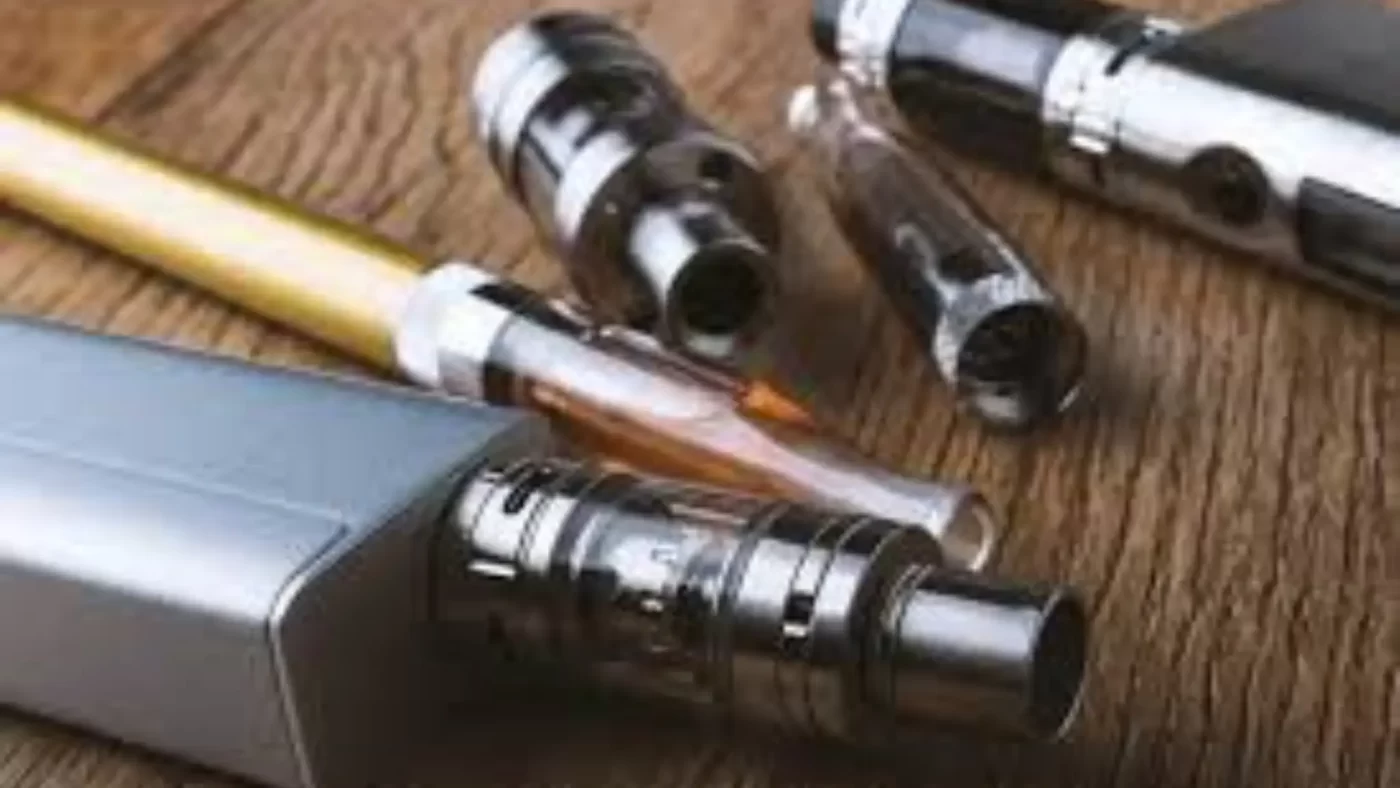
Cannabis vaping has exploded in popularity for a variety of reasons. At the top of the list is convenience. Vape pens and disposable devices are incredibly easy to use, with little to no preparation required. You simply need to pull the cartridge from its packaging, attach it to a pen or device, and you’re good to go. This level of simplicity makes it ideal for users on the go, whether you’re at a social gathering, traveling, or just out and about.
Another major factor contributing to the rise of cannabis vaping is discretion. Vaping produces less noticeable odor compared to smoking cannabis, making it a more subtle option for those who want to enjoy cannabis without drawing attention. The vapor dissipates quickly, and the smell is generally much milder, often resembling something closer to incense or perfume than the pungent aroma of burning cannabis. This makes vaping ideal for people who need to be more discreet about their consumption, whether at work, in public, or in social situations where they don’t want to stand out.
Finally, vaping also provides fast-acting effects. When you inhale vaporized cannabis, it quickly enters your bloodstream through the lungs, providing near-instantaneous effects. This is particularly appealing to those who want to feel the effects of cannabis quickly, whether they’re using it for relaxation, stress relief, or pain management. The onset time for vaping is much faster than edibles, which can take anywhere from 30 minutes to two hours to take effect.
Types of Vape Products
- 510 thread cartridges: Require a separate battery device.
- Disposable vapes: Pre-charged, single-use pens.
- Live resin & rosin cartridges: Preserve natural terpenes for a flavour-rich experience.
Benefits of Vaping
- Fast onset (within minutes).
Less odour than smoking. - Wide range of flavours and potencies.
Concentrates: Shatter, Wax, Budder, Live Resin, and More
Cannabis concentrates are a category of cannabis products known for their high potency and efficient weed delivery in Canada of cannabinoids, especially THC and CBD. These concentrates are extracted from the cannabis plant to retain only the essential compounds, resulting in a product that is much stronger than traditional flower. While cannabis flower contains about 15–30% THC, concentrates can range from 60% to over 90% THC, making them ideal for experienced users or those seeking strong, fast-acting effects.
Why Choose Concentrates?
- Potency: The higher concentration of cannabinoids and terpenes allows for a more intense and immediate effect, making concentrates perfect for users with higher tolerance or those seeking therapeutic effects.
- Flavor: Concentrates preserve the natural terpenes of the cannabis plant, offering a richer, more flavorful experience compared to smoking flower.
- Efficiency: Because concentrates are more potent, users can achieve the desired effect with much smaller amounts. This makes concentrates more cost-effective over time, despite the higher initial price.
- Variety of Consumption Methods: Concentrates can be consumed in various ways, such as dabbing, vaping, or mixing with flower, offering versatility for different preferences.
Common Types
- Shatter: Glass-like, brittle texture.
- Wax & Budder: Softer, whipped consistencies.
- Live Resin: Extracted from fresh frozen flower, preserving flavour.
- Rosin: Solventless concentrate made with heat and pressure.
- Diamonds & Sauce: High-THC crystalline structures with terpene-rich sauce.
Consumption Methods
- Dabbing with a rig.
- Vaporizing in compatible devices.
- Adding to joints or bowls.
Potency warning: Concentrates often exceed 60–90% THC—best reserved for experienced consumers.
Hash
Hash (short for hashish) is indeed one of the oldest and most iconic cannabis concentrates in the world. Its history dates back centuries, particularly in regions like Central Asia, the Middle East, and North Africa, where it has been consumed in various forms for over a thousand years.
In essence, hash is made by collecting and concentrating the resin (the sticky, trichome-rich substance) found on the cannabis plant’s buds and leaves. These trichomes contain the plant’s active compounds, including THC and CBD, which give hash its potent effects. Unlike more modern concentrates like shatter or wax, hash is often made using traditional methods passed down through generations.
How Hash is Made
While modern techniques use solvents like butane to extract hash, traditional methods typically rely on mechanical processes to separate the resin. Here’s how hash has been made throughout history:
- Hand-Rubbing Method: This is one of the oldest methods, where cannabis plants are rubbed by hand to collect the resin. The resin is then pressed into blocks or balls. This method is still used in some parts of the world, particularly in regions like Nepal and Morocco.
- Dry Sifting: In dry sifting, dried cannabis is sieved through a fine mesh screen. The trichomes break off and fall through the screen, collecting in a container below. The collected resin is then pressed into a solid form. This method is used to create what’s often referred to as kief (the fine, powdery trichomes), which can then be further compressed into hash.
- Ice Water Extraction (Bubble Hash): In more modern times, hash can be made using ice water extraction, where cannabis is soaked in ice-cold water, causing the trichomes to break off from the plant material. These trichomes are then filtered through a series of mesh bags, and the collected resin is pressed into hash. The result is often called bubble hash due to the way it bubbles when smoked.
- Solvent-Based Extraction: More recently, hash can be produced using solvents like butane or CO2. These methods are less traditional but are still widely used to make potent and high-quality hash concentrates.
Types of Hash
- Bubble hash: Made with ice water extraction.
- Pressed hash: Heat and pressure compact resin glands.
- Traditional imports: Moroccan, Afghan, Lebanese styles (now replicated legally in Canada).
Hash is typically smoked in pipes, mixed with flower, or vaporized.
Oils and Tinctures
Cannabis oils are among the most versatile and popular forms of cannabis concentrates, appealing to both recreational and medical consumers alike. Whether you’re looking for an easy and discreet method of consumption, seeking a more potent effect, or exploring therapeutic benefits, cannabis oils offer a wide range of uses and forms to suit various preferences.
What Are Cannabis Oils?
Cannabis oils are concentrated extracts from the cannabis plant, typically rich in cannabinoids (such as THC, CBD, or both) and terpenes (the compounds responsible for the plant’s aroma and flavor). They are often produced using methods like CO2 extraction, ethanol extraction, or butane extraction to isolate the desirable compounds while leaving behind excess plant matter.
These oils can come in many forms, including full-spectrum oils, which retain most of the plant’s natural compounds, and distillates, which are highly purified forms of cannabis oil, often containing high levels of THC or CBD with fewer terpenes.
Why Are Cannabis Oils So Popular?
- Discreet Consumption: Cannabis oils are easy to use in public or social settings, especially when consumed through pens or vapes. Their subtle smell and lack of smoke make them more discreet than traditional smoking methods.
- Precise Dosing: With oils, it’s easier to measure exact doses. This is particularly important for those using cannabis for medical purposes, as it allows for consistent and controlled consumption of cannabinoids.
- Potent Effects: Cannabis oils tend to be potent compared to flower, making them ideal for those looking for stronger effects without needing to consume large amounts.
- Versatility: Cannabis oils can be used in various ways, from being vaped and dabbed to being added to edibles or even applied topically. They can also be used in tinctures for sublingual consumption, providing a quick and efficient way to experience the effects.
- Sublingual: Dropped under the tongue for faster absorption.
- Ingested: Added to food or drinks.
Why Choose Oils?
- Precise dosing (mg/mL listed on bottle).
- Long shelf life.
- Available in THC-dominant, CBD-dominant, or balanced ratios.
Capsules and Softgels
Cannabis capsules are becoming increasingly popular among consumers who want a discreet, precise, and smoke-free way to consume cannabis. Offering the convenience of measured doses, capsules are an excellent choice for those looking to avoid the flavors or odors that come with smoking or vaping. Whether you’re seeking the therapeutic benefits of CBD, the psychoactive effects of THC, or a balanced combination of both, cannabis capsules provide a consistent and reliable option.
What Are Cannabis Capsules?
Cannabis capsules are essentially pre-measured doses of cannabis in an easy-to-swallow pill or softgel form. The contents of these capsules typically consist of cannabis oil (which can be THC, CBD, or a combination of both) or powdered cannabis. Some capsules are also formulated with full-spectrum cannabis extracts, meaning they contain a wide range of cannabinoids, terpenes, and other plant compounds to provide a more holistic effect.
Cannabis capsules come in a variety of doses, from lower doses of CBD for daily wellness to higher doses of THC for pain management, relaxation, or recreational use.
Why Choose Cannabis Capsules?
- Discreet and portable.
- Longer onset like edibles.
- Perfect for medical users who want predictability.
Topicals
Cannabis-infused topicals including creams, balms, and salves are formulated for external use and provide a targeted, localized way to experience the benefits of cannabis without the psychoactive effects of smoking or ingesting. These products are infused with cannabinoids like CBD, THC, and other compounds from the cannabis plant, and are typically applied directly to the skin for conditions like pain, inflammation, muscle soreness, and skin irritations. Because they don’t enter the bloodstream, cannabis topicals are ideal for those seeking therapeutic benefits such as relief from chronic pain, arthritis, or skin conditions like eczema or psoriasis, all without the intoxicating effects associated with other forms of cannabis consumption.
- Non-intoxicating (THC does not enter the bloodstream).
- Commonly used for localized relief (muscles, joints, skin).
- Available in CBD-only or THC blends.
CBD-Only Products
Not all cannabis products are focused on getting high; CBD-only formats, in particular, have carved out a significant niche in Canada, especially for those seeking therapeutic benefits without the psychoactive effects of THC. These products, which include oils, capsules, topicals, and edibles, are popular among consumers looking to manage a variety of conditions such as anxiety, pain, inflammation, and sleep disorders, while promoting general wellness. With its growing reputation for providing relief and calm without inducing a “high,” CBD has become an appealing option for both medical users and those simply seeking a natural, plant-based alternative to over-the-counter medications.
- CBD oils & tinctures: Popular for wellness.
- CBD gummies: Easy, tasty way to take CBD.
- CBD topicals: Creams and balms with no psychoactive effects.
Cannabis Seeds
For Canadians interested in cultivating their own cannabis, seeds are legally available for purchase from weed online dispensary. These retailers offer a variety of genetics from reputable breeders, allowing consumers to select strains that best suit their growing preferences, whether for personal use or to explore the process of cultivation. With the legalization of cannabis in Canada, individuals can legally grow up to four plants per household, making home cultivation more accessible than ever. The availability of seeds provides an opportunity for those interested in self-sufficiency and experimenting with different strains, all while ensuring that they remain within the legal framework established by the government.
Types of Seeds
- Autoflowering: Easier for beginners, shorter life cycle.
- Photoperiod: Require light cycles to flower.
- Feminized seeds: Ensure female plants (which produce buds).
How to Read a Cannabis Label in Canada
Every legal cannabis product in Canada comes with standardized labels that provide crucial information to ensure consumers make informed choices. These labels include details like the THC and CBD content, which helps users understand the potency of the product, as well as warnings regarding potential health risks, such as the effects of consuming too much THC. They also feature the brand name, product type (flower, edibles, oils, etc.), and information about origin, whether it’s grown locally or imported. Additionally, these labels include a health warning about cannabis use and guidelines on storage and age restrictions, all designed to promote safety and responsibility in the use of legal cannabis products.
- THC & CBD content: Shown per gram and per package.
- Health warnings: Rotating government-mandated messages.
- Excise stamp: Ensures the product is legal and taxed.
Understanding labels helps consumers make informed decisions and avoid unsafe products.
Choosing the Right Product for You
When selecting a cannabis product, consider:
- Desired effect (fast relief vs long-lasting).
- Consumption method (smoke, vape, eat, drink, apply).
- Potency tolerance (beginner vs experienced).
- Lifestyle fit (on-the-go, social, wellness).
Conclusion
The Canadian cannabis market now offers an incredible variety of legal product types, each designed to suit different needs, preferences, and lifestyles. Whether you want the fast effects of flowers or vapes, the long-lasting experience of edibles, or the therapeutic potential of CBD oils and topicals, there’s something for everyone.
By understanding how each format works and following regulations you can make informed decisions and enjoy cannabis safely and legally.
FAQ
What are the main types of cannabis products in Canada?
Flower, pre-rolls, edibles, beverages, vapes, concentrates, hash, oils, tinctures, capsules, topicals, CBD products, and seeds.
Why do edibles feel stronger than smoking?
Because THC is converted into a more potent compound (11-hydroxy-THC) in the liver.
What’s the THC limit for edibles in Canada?
10 mg per package, regardless of serving size.
Are magic mushrooms legal in Canada?
No. Psilocybin remains illegal without Health Canada authorization.